In Nigeria’s challenging business environment, where access to finance is limited, infrastructure is fragile, and policy direction can shift without warning, few entrepreneurs and investors persist for the long term. Olajide Fagbewesa has done more than persist. He is investing in an agribusiness rooted in patience, discipline, and long-term conviction.
From a painful ₦14 million loss in his first agricultural venture to the deliberate acquisition of virgin land with mature cocoa trees, Fagbewesa’s journey reflects the realities many Nigerian investors face when agriculture collides with trust, timing, and risk. Today, through MB Foods, he has invested in more than 350 acres of cocoa and cashew farmland across southwestern Nigeria.
In this conversation with AgroCentric, Fagbewesa speaks candidly about the setbacks that shaped his thinking, the role of faith and feasibility studies in his decision-making, and why Nigeria’s cocoa future depends not just on production, but on processing, community trust, and value retention. His story offers a grounded look at what it takes to build an agribusiness as an investor.
Let’s begin with some background. Please tell us about you.
My name is Olajide Fagbewesa. I love to create from the ground up. I’m fascinated by the process of planting, nurturing, and watching things grow. That connection to life and nature has always stayed with me.
Academically, I studied Survey and Geo-informatics at the University of Lagos and then earned a Master’s degree in Health, Safety, and Environment from the University of Sunderland in the UK. Professionally, I work as a Geomatics Consultant in the energy sector. My role involves overseeing offshore and onshore survey projects, which has helped shape how I approach planning and execution in agriculture.
What inspired your interest in agriculture, especially with a background like yours?
My passion for agriculture dates back to childhood. Around age six or seven, I would visit Ilesha, Osun State, where my father owned a cocoa farm. He used to bring back cocoa pods, and I remember being intrigued by them, the taste, the shape, the whole process. That memory stuck with me.
Although the desire stayed dormant for years, it fully resurfaced in 2018. By then, I knew I wanted to go big, but I didn’t yet have the technical know-how. I took time to learn, ask questions, and understand the business before diving in. That mix of curiosity and patience laid the foundation for MB Foods.
Has your experience in the energy sector influenced how your involvement in MB Foods?
Without a doubt. Where I work, we don’t jump into projects blindly. Every idea is scrutinised through feasibility studies, risk assessments, and long-term planning. That same discipline has been critical in agriculture. I explored various areas within the agricultural value chain, from crop production to processing. I asked myself where I wanted to have the most impact.
Cocoa made the most sense, not just emotionally because of my childhood experience, but strategically because of its global demand and Nigeria’s untapped potential. Applying structured thinking to such a dynamic space helped me avoid costly mistakes.
What’s the mission of MB Foods, and what sets it apart?
MB Foods is built on a vision to restore Nigeria’s position as a top player in global commodity markets, especially cocoa. In the 1960s and ’70s, Nigeria was the leading cocoa exporter. Today, we rank 7th. That drop is not just a statistic; it’s a lost opportunity.
Our mission is to bridge that gap by producing high-quality cocoa, encouraging local farmers, supporting sustainable practices, and reinvesting in processing. We’re also involved in cashew and oil palm cultivation. But more than anything, we’re building systems and farms that can outlive us, creating value for future generations.
What differentiates MB Foods from other cocoa companies?
Food security matters, but we go beyond that. We’re building practices that generations will benefit from. By processing cocoa and cashew, we create value and support local farmers. It’s about sustainability and economic growth for Nigeria.
When did you start the investment in MB Foods, and what were some of the key challenges you faced early on?
I began investing in MB Foods in 2020, and one of the earliest lessons I learnt was that agriculture is as much about people and systems as it is about the land itself.
In the early stages, I experienced a major setback in a sweet potato venture after placing trust in the wrong hands for project management and execution. The project faced significant operational issues, and I lost over ₦14 million. It was a very difficult period because a lot had gone into the investment, from land and logistics to operations and staffing.
Thankfully, after a lengthy process involving negotiations and legal intervention, I recovered about ₦7.3 million from the sale of assets tied to the project. While it was still a painful loss, the experience forced me to pause, reassess my approach, and become far more intentional about due diligence, oversight, and partnerships.
Beyond that, another major challenge was sourcing quality inputs, especially reliable seedlings and planting materials. I then realised that success in agriculture starts with getting the fundamentals right: understanding the environment, choosing the right crops for the right locations, and working with experienced people who understand the ecosystem.
Tell us about that turning point.
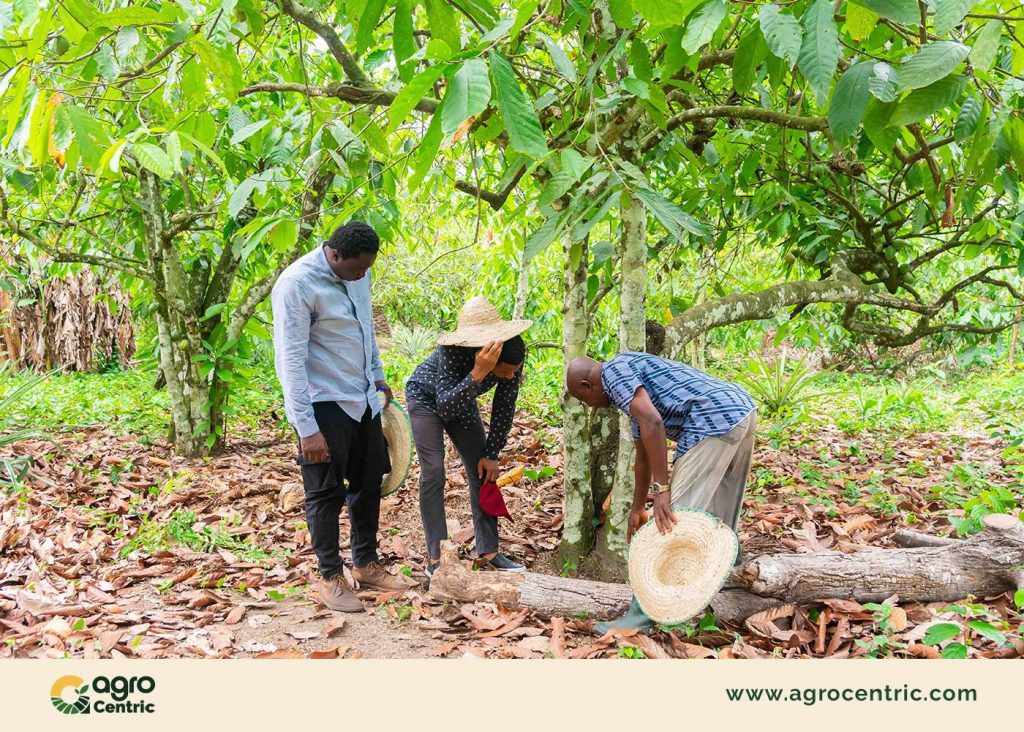
While scouting for new land, I met someone who introduced me to a piece of virgin land in Ijebu. When I went to inspect it, I was shocked to find that it already had mature cocoa trees, oil palms, oranges, and even bitter kola. It was like God had prepared that land for me.
Since then, we have expanded to over 250 acres of cocoa and acquired another 100 acres for cashew. That turning point helped me realise that everything starts to work together when you’re aligned with purpose.
How do you balance long-term agricultural investments with your full-time career in the energy sector?
It’s a delicate balance. I dedicate part of my weekends to the investment, and I’ve also built a structure that enables delegation. Each farm has a manager who reports to the trusted managing consultant, who oversees daily operations and manages all projects. He coordinates activities, supervises workers, and ensures our strategies are implemented properly. He reports to me regularly, and when I visit the farms, it is often unannounced, to monitor progress and maintain accountability. This structure allows me to stay strategically involved while trusted farm managers oversee day-to-day operations. It gives me the flexibility to continue my career in the energy sector while building MB Foods for the long term.
What’s the next phase for MB Foods, and are you open to partnerships?
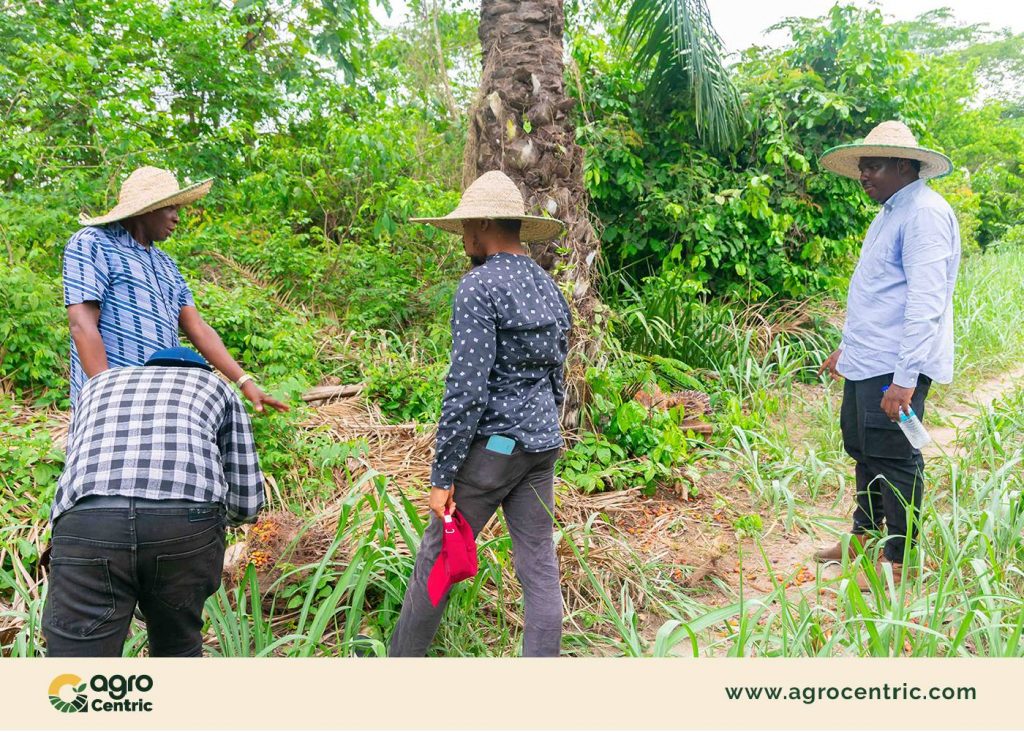
Processing is the next big step. We’re moving into adding value to our raw commodities, especially cocoa, cashew, and palm oil. I’ve done the math: a kilo of raw cashew is currently being sold for around ₦1,750, but when processed, it can fetch ten times that. I’m exploring flavoured cashew nuts: suya, peppered, or salted and cocoa powder or white chocolate.
Later in 2026, we plan to set up a palm oil processing factory to produce palm oil and palm kernel oil, capturing a greater share of the value chain. Imagine turning palm kernels into PKO for vegetable oil or selling them as is. It’s a long value chain. I’m open to partnerships for processing plants, production, and knowledge-sharing. If someone wants to set up a farm or learn, my team is ready to guide them. Grants would help us scale, especially for locally made machines and those currently available only from China or India.
My vision is to build factories that employ locals, boost exports, and make Nigeria a hub for cocoa processing rather than just a raw-material supplier.
How do you ensure quality and safety in your farm operations?
We use organic inputs as much as possible. Our fertiliser comes from livestock waste such as cow and goat dung, and we raise seedlings near natural streams to encourage healthy growth.
We even went as far as Ghana to source genuine agrochemicals when most of what we got locally was adulterated. Practices are tailored to our local environment, not just copied from the internet. We study what works for the villagers who have farmed here for generations, and then build on that with modern insights. That balance is what keeps our operations productive and sustainable.
What about safety and security?
We’ve been fortunate. In Ijebu, there’s a strict local policy that discourages grazing on private farmland. You must register with the local king, or you face severe consequences. We also maintain great relationships with village leaders. They know our workers and help monitor the farms. We support them with basic needs, and they, in turn, protect our interests.
In addition, we’ve installed solar-powered CCTV and lighting, especially around livestock areas. But ultimately, trust and mutual respect with the local community are our strongest safeguards.
How do you see agriculture in Nigeria and West Africa in the next 5–10 years?
The future is bright, but it needs work. Those who invest now will make huge profits, and agriculture can yield returns of more than 100% if done right. But the government must step up. They must enforce progressive and well-thought-out policies, not just create them, and build roads to connect farms to markets. Bad roads mean produce rots before reaching Lagos.
Security fears, such as the reported attacks by herdsmen, scare professionals with money to invest. I’ve spoken to colleagues who’d rather take their cash abroad. Nigerians must also be honest; some misuse government and investor funds, blaming herdsmen for fake losses. West African countries share similar potential, but Nigeria can lead in commodities such as cocoa and cashew.
If we process locally, we’ll keep more value, create jobs, and compete globally. It’s about acting fast and smart.
What advice would you give young people looking to build sustainable agribusinesses?
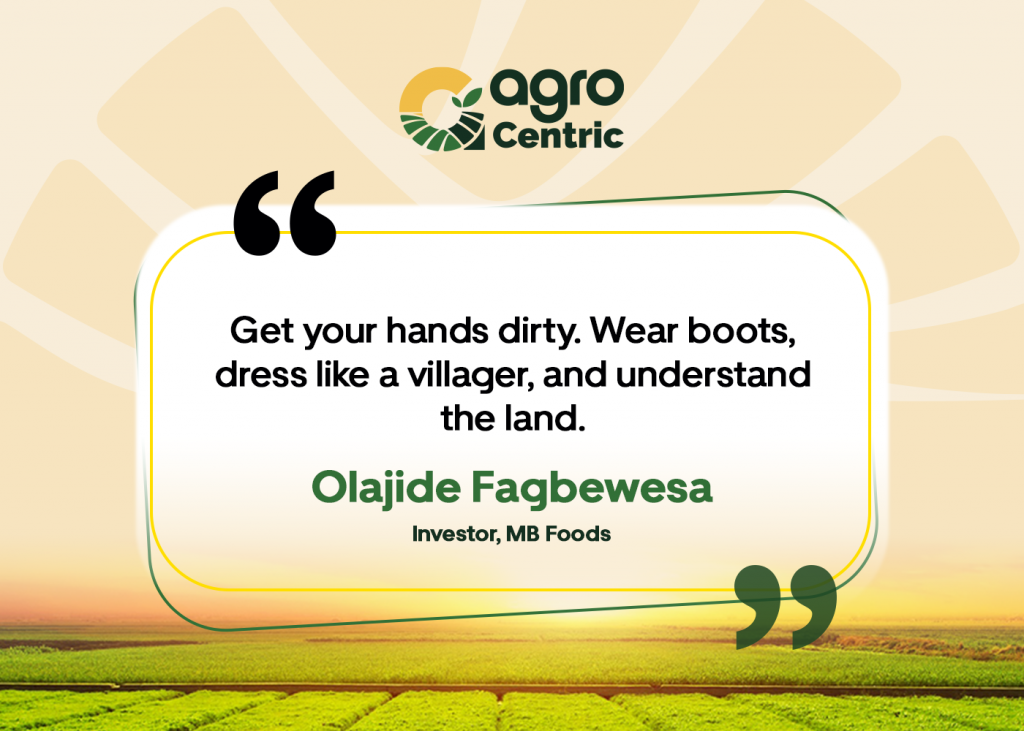
Be led by God. Conviction is everything. Don’t just research online; visit villages and learn how locals farm. Our forefathers used cocoa money to send kids to university. Study and improve their methods. Get your hands dirty. Wear boots, dress like a villager, and understand challenges such as rainfall patterns and the importance of soil health and science. Learn good agronomy practices.
I learned Ijebu gets more rain than Ilaro, so I plant more there. Avoid scams promising quick returns; agriculture isn’t a six-month jackpot. Many fell for those pre-COVID agric startups that crashed. Use tools like ChatGPT for projections, but ground them in local realities and get professional help as much as possible.
For example, cassava yields look great online, but without understanding local risks, you’ll lose money. Pray, plan, and persevere. With faith and strategy, you’ll build something lasting.
Thank you, Mr Olajide. It’s been an incredibly insightful conversation.
Thank you, AgroCentric. I’m grateful for the opportunity to share my journey. Inspired by Olajide Fagbewesa’s journey? Want to partner or learn more about MB Foods’ cocoa revolution? Follow him on social media or contact MB Foods to join Nigeria’s agricultural transformation.