Nigeria’s ginger industry, which is heavily concentrated in southern Kaduna, has long played a crucial role in the country’s agricultural exports. However, the 2023–2024 blight outbreak exposed deep vulnerabilities within the sector, leaving farmers with massive losses and revealing weaknesses in Nigeria’s seed systems, disease management, and rural support structures.
In this feature, we interview Samaila Iliya, a seasoned ginger farmer and community representative who has worked across production, sourcing, and market engagement for over 15 years. His leadership extends to participating in the national Ginger Blight Epidemic Task Force, where he helped coordinate support across Kaduna, Plateau, and the FCT.
Through this conversation, Samaila breaks down what really happened, why the disease spread so quickly, and the urgent changes needed to protect one of Nigeria’s most valuable crops. He also outlines the resilience strategies farmers are using to rebuild and why he believes Nigerian ginger can still reclaim its global standing.
Can you tell us a bit about yourself and how long you’ve been farming ginger?
My name is Samaila Iliya. I’m a ginger farmer and advocate for farmer-driven development, particularly within the ginger value chain in southern Kaduna. While my academic background is in Public Administration, my passion has always been rooted in agricultural market systems and community development.
I grew up in Kubacha, Kaduna, a farming community where ginger is the primary source of livelihood. I began helping my parents on the farm as a child and eventually started managing my own plot. Ginger attracted global demand, yet many farmers remained financially vulnerable. That pushed me to understand how the market works, pricing, quality, and the power structures around it.
Altogether, I’ve been actively farming ginger for about 15 years, focusing on production, sourcing, and supplying local buyers, processors, and exporters. Ginger has been more than just a crop for me; it has been my main economic activity and a key part of my community’s identity.
You mentioned that you started farming as a child. How old were you when you started managing your first plot?
I was born into a family of peasant farmers who had been farming ginger even before I was born. At the age of 19, I started managing my own small farm plot. This was a common experience in Kubacha; young children engaging in farming was a usual way of life. Whatever you earn, you use for personal needs, such as Christmas clothes or school supplies. For those who couldn’t farm, they helped others and got a share of the harvested ginger to sell. It was a normal experience.
Before the blight, what was a typical ginger season like in terms of yield and income?
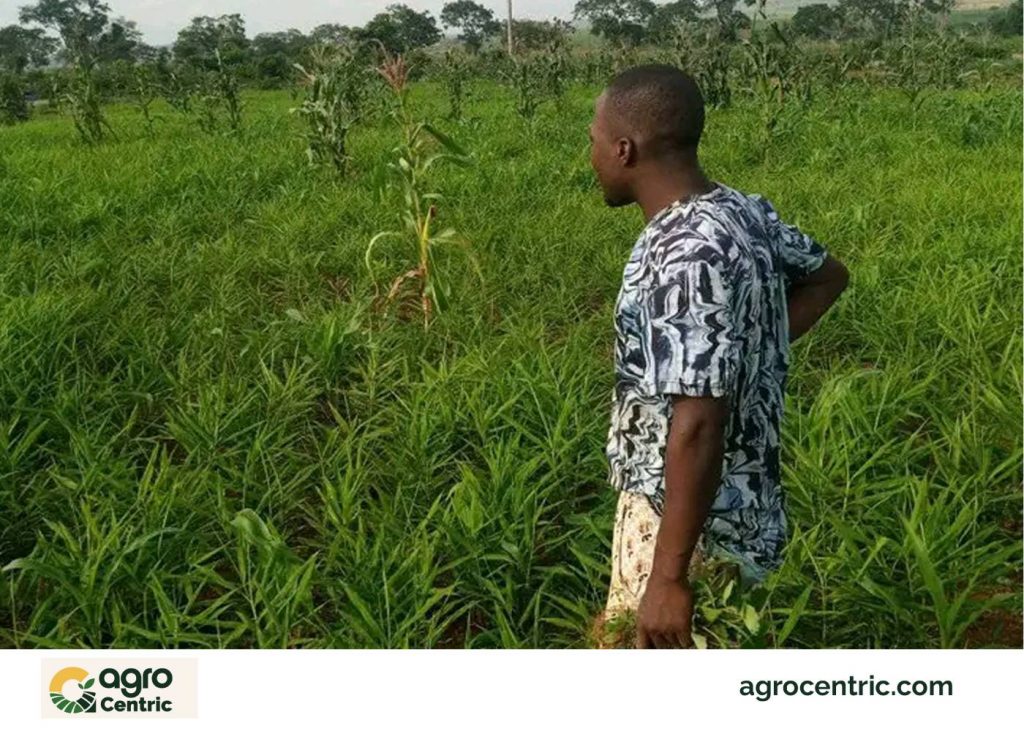
Before the blight outbreak, a typical ginger season in southern Kaduna was predictable and rewarding. We harvested healthy rhizomes with strong fibre and high-quality oil, which attracts premium buyers. Small-scale farmers could pay workers, support their families, reinvest, and still save money. Ginger was a financial lifeline people relied on for school fees, building projects, and long-term livelihood planning. In many households, it was more dependable than formal employment.
What was the average yield and price per hectare at that time?
For a well-managed farm and a good season, a hectare can produce approximately 5–9 metric tons of fresh ginger, which translates to around 1.2–2 metric tons of dried, split ginger per hectare, depending on the drying efficiency. This is because fresh ginger contains about 80–85% water. Yield levels may sometimes exceed two metric tons of dried ginger with good farm management. Before the blight, prices were relatively low, ranging from ₦300,000 to ₦500,000 per ton, later rising to ₦700,000–₦800,000 per ton. Following the blight, prices spiked sharply to about ₦14–15 million per ton for ASTA-quality (export-standard) ginger.
Market forces drove the prices of ginger upward. Nigerian ginger is highly sought after globally, often preferred over ginger from China and India, which has led to scarcity and consequently pushed prices up.
Southern Kaduna is known for premium ginger. Were you affected by the blight?
Of course, I was affected. Many farmers have been affected by the blight.
When did you first realise something was wrong, and what were the signs on your farm?
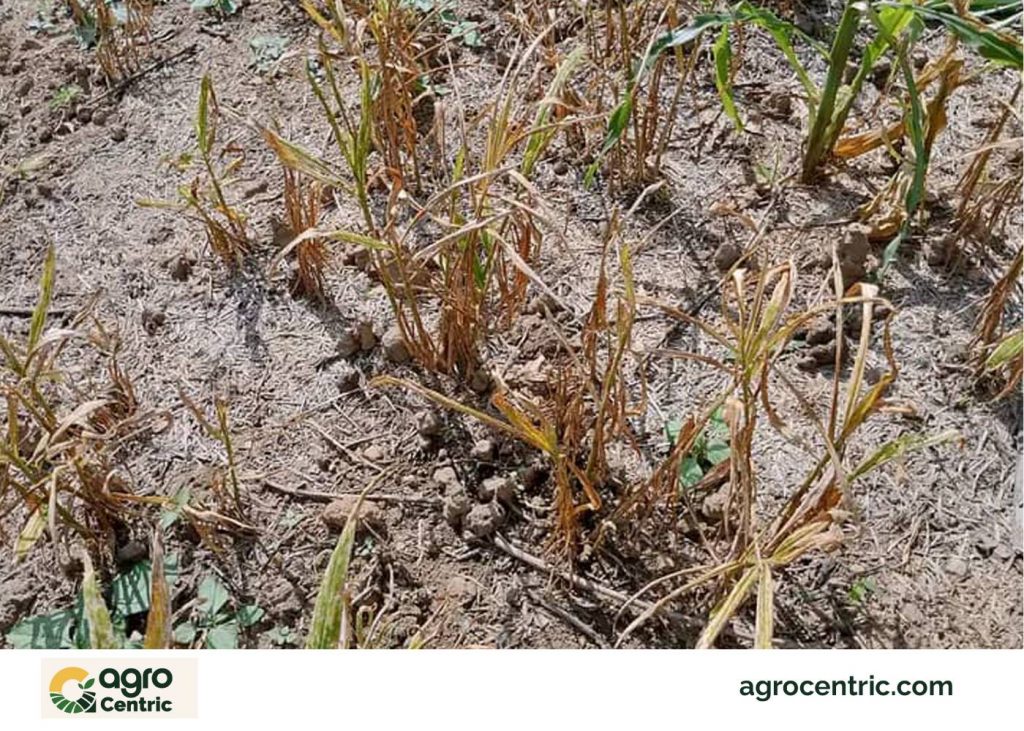
The first warning sign came around August 2024 when I began noticing the ginger leaves, which should have been green, starting to turn yellowish. There was sudden wilting and stunted growth. When I dug them out, I noticed that the rhizome had begun to rot beneath the soil’s surface.
At first, we thought it was a poor fertiliser performance or a minor pest issue. But when a whole field began collapsing rapidly, it became clear it was far more destructive. The disease did not just affect the harvest; it wiped away our confidence, capital, and the yield of our effort in just one season.
By the time we realised what was happening, it was too late to act. Some farmers even died, not from the disease itself, but from the shock and emotional distress of losing everything.
Can you share what your personal loss was in terms of crop yield?
The losses were devastating. I harvested less than 10% of what I planted. Some farmers harvested nothing at all; their entire field was a total loss. Entire farms became financially bankrupt. Families struggled to pay for labour and were unable to pay children’s school fees. Basic living expenses became a big deal. Some farmers even had to resort to selling their livestock, personal assets, and farmlands just to survive. The outbreak destabilised communities and exposed the absence of structural support for an industry contributing billions to Nigeria’s export economy.
What was the estimated financial loss for the entire region during the 2023 to 2024 outbreak?
It is estimated that ₦10–₦20 billion was lost across Kaduna, FCT, and Nasarawa. The effects were much worse in Kaduna, especially since it is the hotspot where more ginger is produced; however, parts of the FCT and Nassarawa State were also affected.
How did the blight affect your seed sourcing practices?
Before the outbreak, I personally sourced my seed rhizome from the open market, from our neighbouring communities. After the blight, seeds became scarce, expensive, and risky even to try, as many farmers unknowingly replanted infected rhizomes.
Clean seed systems were once considered theoretical, but the crisis has demonstrated that they are essential for survival and not just an academic concept.
There is a report that Nigerian ginger has “lost its fire”, its strong aroma and quality. Have you noticed any change in your own harvest?
Not at all. Ginger from my farm and many others in my community still maintain the same sharp aroma and strong flavour profile it has always had. The Pungency and oil oleoresin content are the same. The ginger that many Nigerians claim has lost its fire is mostly imported ginger, not Nigerian ginger.
During the crisis, how did buyers and traders respond to the ginger from your area?
Trading activity on ginger has significantly reduced due to low availability. The price shot up quickly, and buyers were willing to pay more just to secure whatever they could find. Demand remained high despite the blight, but supply was extremely low. The low supply, coupled with Nigerian ginger’s reputation for quality, led to the price of a ton of ginger jumping from ₦800,000 to about ₦15 million. At one point, local prices were even higher than international prices, prompting some international buyers to source from China and India.
What are your thoughts on the imported ginger filling the market gap?
The appearance of imported ginger surprised many farmers. Because Nigeria was short in supply, it quietly started filling the gap, especially in processing zones like Kano and Lagos. The reality is that our market is no longer purely local ginger. This shortage created a dependency, underscoring our vulnerability without a resilient production system, a stable seed supply, and effective disease management. However, one fact remains: our local Nigerian ginger is the best, and even the imported ginger cannot compete with what we currently have.
Did you reduce, pause, or stop ginger farming at any point during the crisis?
Yes, I had to reduce my cultivation, and many farmers around me did the same. Some completely paused production because the risk was simply higher than the potential profit. We weren’t just battling a disease; we were fighting uncertainty, and Ginger became a gamble with no guaranteed remedy.
The post-blight reality was a struggle. Seedlings also became very expensive: a bag of seedlings that was ₦15,000 before the blight jumped to ₦300,000.
Did you switch to or diversify into any other crops?
Yes, not just me. Before the blight, our primary focus was on ginger; however, I now also farm sorghum, beans, rice, and many other crops. Other farmers began to diversify into crops with shorter life cycles and lower risks, such as maize, soybeans, and turmeric, which is now experiencing a boom in the market. This is simply a survival strategy because ginger still pays the best, even to this day.
This year, I planted less than a hectare. In the past, I got to plant five to seven hectares. Now, most farmers barely plant a hectare because we’re trying to rebuild seed stock.
Despite the challenges, you continue to farm ginger. Have you tried any new practices or treatments to manage the blight?
Many farmers, including myself, have experimented a lot since we don’t have an official remedy. Some tried shifting to new farmlands. Others resorted to applying fungicides or bio-products from agro-dealers at an early stage. A few practices proved helpful, including crop rotation and careful seed selection. For me, crop rotation and careful seed selection have been effective so far. I paid attention to where the seed was coming from to ensure it wasn’t from an infected farm. The effect of the blight is not as severe as in previous years, so the experiments and trials are yielding some results.
We are learning by trial and error; without structural guidance from experts, every farmer is conducting their own experiment because no certified remedy exists.
Did you receive any support from the government, NGOs, or research institutes during this period?
Support was minimal but helpful. We received advice from the Ginger Blight Epidemic Task Force. Also, farm inputs and seedlings for alternative crops, not ginger, were distributed by the National Agricultural Development Fund (NADF) under the Ginger Blight Epidemic Control Taskforce, which was instituted under the office of the Vice President of Nigeria, with the Ministry of Agriculture and Food Security as stakeholders, and other agencies of both the Federal and State Governments. I am a member of the task force. We distributed fertiliser, herbicide, and alternative seedlings, such as maize and sorghum, across Kaduna, Plateau, and the FCT to help farmers mitigate the loss. This served as a temporary relief.
However, many farmers needed subsidised inputs, access to clean seed, and direct financing support. Instead, most of us bore the loss alone.
What is the most helpful intervention you think farmers need right now?
The most helpful intervention would be a remedy to this blight. We need a solution: disease-resistant seedlings that can withstand any blight or fungus.
Additionally, access to seeds and financial support is crucial, as many farmers have lost everything they own. We need clean seeds, accurate knowledge, and a straightforward remedy.
The government have tried, but research support and these structural solutions are still missing.
How confident are farmers about future ginger seasons?
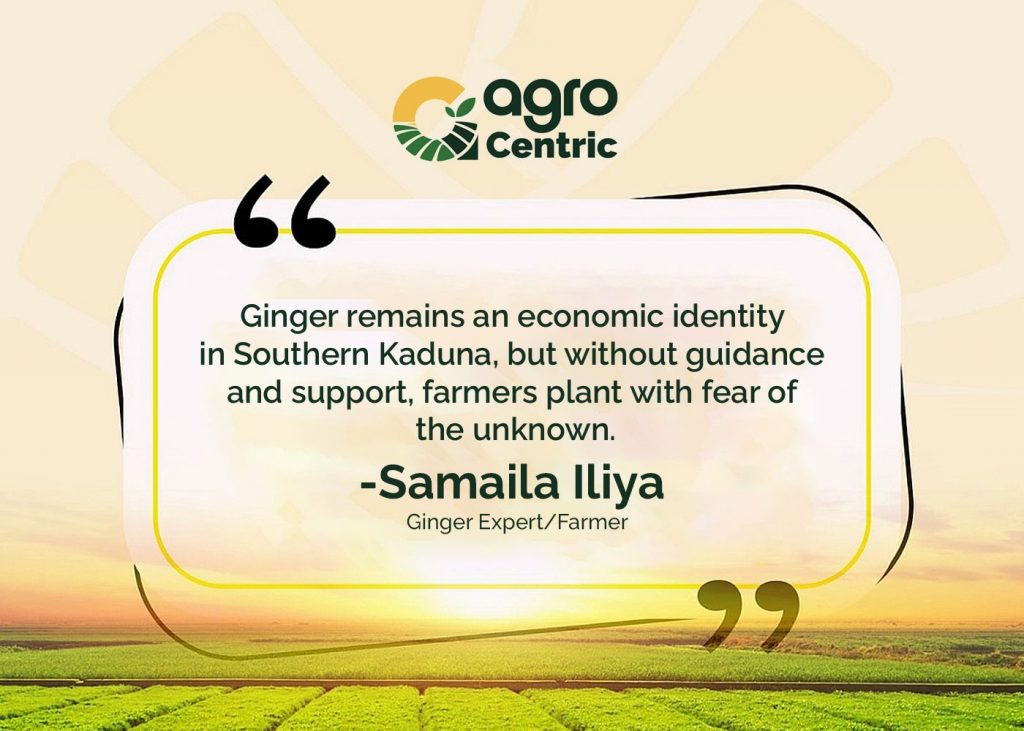
Farmers are hopeful, but we are being cautious. Ginger is still our economic backbone, but the fear of the unknown remains. Many still plant, but not as boldly as before. Confidence will only grow when research, guidance, and government support become visible on the ground, not just on paper. Until then, we plant with fear of the unknown.
Can Nigerian ginger regain its international reputation?
Absolutely. Nigerian ginger is naturally superior, and its quality did not disappear; the blight just attacked it. With clean planting material, improved farming systems, and better disease control, the quality will remain. If we have the right resources and support, we can not only become the second-largest but also reach the largest. We can still regain our international reputation.
For a policymaker reading this, what is the core message you want to pass on from the ginger farmers?
Ginger farmers are not asking for charity. We want structure, clean seed systems, better security, functional extension services, and practical research support. If leaders invest in these today, farmers will deliver results tomorrow.
Also, a functional extension service and practical research support will safeguard a multi-billion-naira export industry that sustains thousands of households. If leaders invest in structure today, farmers will deliver results tomorrow.
Learn more about the structural solutions being advocated by Samaila Iliya and the future of Nigerian agriculture by connecting with him on LinkedIn.