Across Ghana’s rural communities, smallholder farmers face a rapidly shifting reality: unpredictable rainfall, degraded landscapes, limited extension support, and escalating climate shocks. For Cornelius K. A. Pienaah, these challenges are not just academic subjects — they reflect the lived experiences of the communities where he was raised.
Born into a farming family and now a PhD candidate at Western University in Canada, Cornelius brings a rare blend of scholarship, field experience, and grassroots development work. Over the years, he has worked across food systems research, climate adaptation, rural livelihoods, agroforestry, and community-led natural resource management — collaborating with institutions such as IFPRI, GIZ, MEDA, and Ghana’s agricultural research ecosystem.
Today, Cornelius describes himself as a pracademic: a practitioner and academic whose research is shaped by the farmers, landscapes, and communities he continues to serve. In this AgroCentric conversation, he reflects on his journey, the lessons from working with rural households, and the insights he believes can strengthen food systems across Ghana and beyond.
Please share a brief introduction about yourself. Who is Cornelius K. A. Pienaah?
My name is Cornelius K. A. Pienaah. I am a pracademic from Ghana, currently residing in London, Ontario, Canada. I’m a PhD candidate in the Department of Geography and Environment at Western University. That’s currently what I do in terms of my academic practice. However, I also engage in other activities related to Ghanaian work, particularly within the NGO landscape and some development projects here in Canada and in Ghana.
What first drew you into agriculture? Was it a formal study, or did you grow up around farming?
I grew up in a smallholder farming family, so agriculture was part of my life from the beginning. Before I even started school, I would often accompany my parents to the farm. We cultivated a variety of crops, including maize, cowpea, yams, rice, sorghum, vegetables, and even cotton. My dad also grew cashews and was once recognised as a top cashew farmer. Those early experiences laid the foundation for my career in agriculture. Throughout primary and secondary school, I continued to help on the farm while studying agriculture, physics, chemistry, horticulture, and animal science. Learning the science behind what I had grown up practising made me even more interested.
Although my dad hoped I would pursue a career in the health sciences, I was drawn to environmental issues, particularly ecotoxicology and the impact of chemicals on the environment. With my background in Agricultural Science from high school, where I studied courses including Physics, Chemistry, Horticulture, and General Agriculture, I decided to pursue a B.Sc. in Renewable Natural Resources at the University for Development Studies in Ghana. There, I took courses in ecotoxicology, biodiversity, agricultural extension, microbiology, environmental monitoring and environmental chemistry. This helped me combine practical experience with science and social science knowledge.
During my university studies, I completed several internships in Ghana. These included tutoring at the Youth Leadership and Skills Training Institute, serving as an intern Environmental Health Officer with the Environmental Health and Sanitation Unit of the Nadowli Kaleo District Assembly, working as a Field Technician at the Savannah Agricultural Research Institute under the Council for Scientific and Industrial Research, and serving as an intern Forest Officer with the Forestry Commission of Ghana. Together, these experiences laid a strong foundation for my career in agriculture and environmental management.
How did your education and career shape your path in agriculture and the environment?
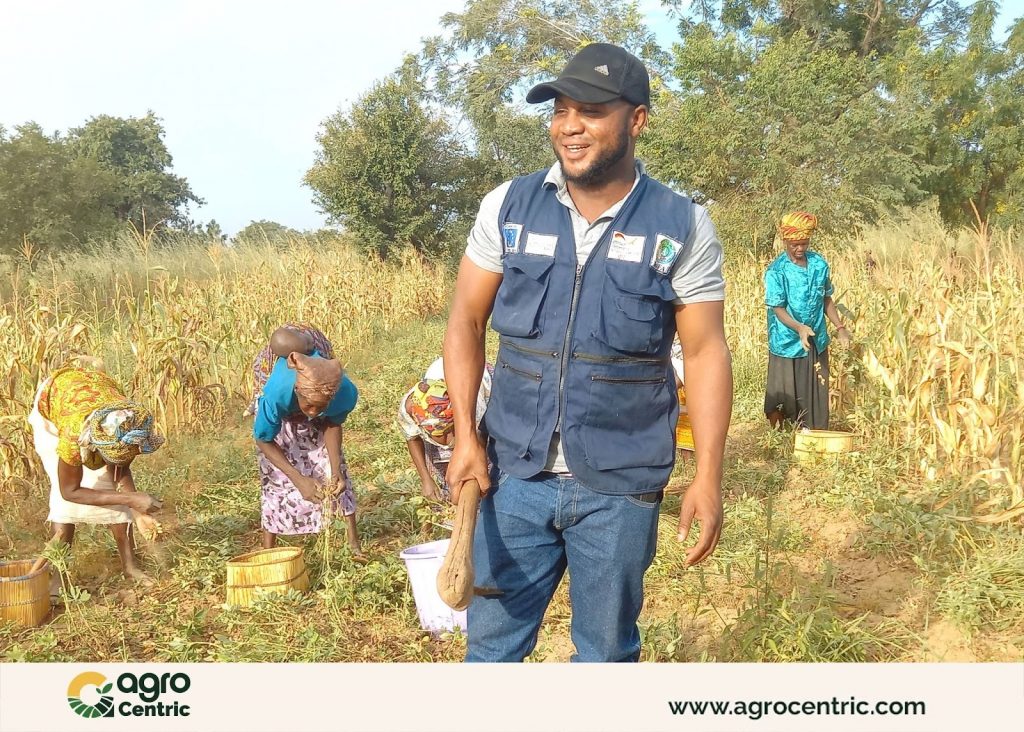
From 2013 onward, I worked with organisations that focused heavily on research and rural communities. I collected primary data, led group discussions, and conducted field interviews for various organisations, including IFPRI, Oxfam International, Oxford Research Group, Ghana, MEDA, and IPA. This helped me understand rural livelihoods and sharpen my research skills.
I later moved into full-time development work in northern Ghana. At Moringa Connect (now True Moringa), I served as a regional field supervisor working with smallholder farmers on moringa agroforestry. After that, I joined GIZ as a technical advisor on the Resilience Against Climate Change (REACH) Project under Market-Oriented Value Chains for Jobs and Growth in the ECOWAS Region (MOVE). I worked with farmers facing floods, droughts, dry spells, storms, pests, diseases, erratic rainfall, and other climate-related impacts, using climate-smart agriculture approaches such as conservation agriculture and farmer-based groups to help them adapt. I completed my master’s degree in Environment and Natural Resources at the University for Development Studies, with a focus on climate change science.
Even now, while I am in Canada, I remain connected to my work back home. I’m a board member and research fellow with Green for Change Ghana, an NGO focused on climate resilience and environmental conservation. I also founded and chair the MEDA London Network Hub and work part-time with Type Diabeat It, supporting research on how food and exercise help manage diabetes among vulnerable groups. I am currently a PhD candidate, and my research continues to focus on the intersection of agriculture and the environment.
Beyond childhood, what practical work helped shape your understanding of food systems?
I’d say my first deep dive was during my BSc in Renewable Natural Resources. The programme was broad. I studied 38 courses, three field practical trainings, and one seminar, and wrote my first thesis. Some of the courses include agricultural botany and zoology, ecotoxicology, biodiversity conservation, entomology, agroforestry, natural resources extension & education, microbiology, environmental chemistry, environmental impact assessment, environmental design and analysis, climate change adaptation & mitigation, and multiple land use management. From there, internships exposed me to real field conditions. At the Forestry Commission, I received training in forest nursery management, seedling production, and the maintenance of forest reserves. At SARI, I worked on on-farm demonstration trials. We interacted with farmers, shared knowledge, and observed how they adopted new practices.
I also worked with the Environmental Health and Sanitation Department in Kumasi, supporting monitoring activities, which helped me understand environmental issues from a community perspective.
How did you transition from fieldwork to development roles with larger organisations?
The transition happened naturally. Growing up in a rural smallholder family showed me the value of research long before I entered the field professionally. My education and early research experiences deepened that understanding. At institutions like CSIR-SARI, where I worked as an intern, I learned how data from trials and demonstration plots can guide practical decisions for farmers. We collected data, compared different varieties, tested practices and then shared the findings directly with farmers.
This is where scientific research becomes useful. It helps us develop crop varieties that resist drought or pests, and it allows us to blend scientific evidence with traditional ecological knowledge. Farmers already have rich experience, but when we combine their expertise with data-backed recommendations, we co-create solutions that match today’s climate challenges.
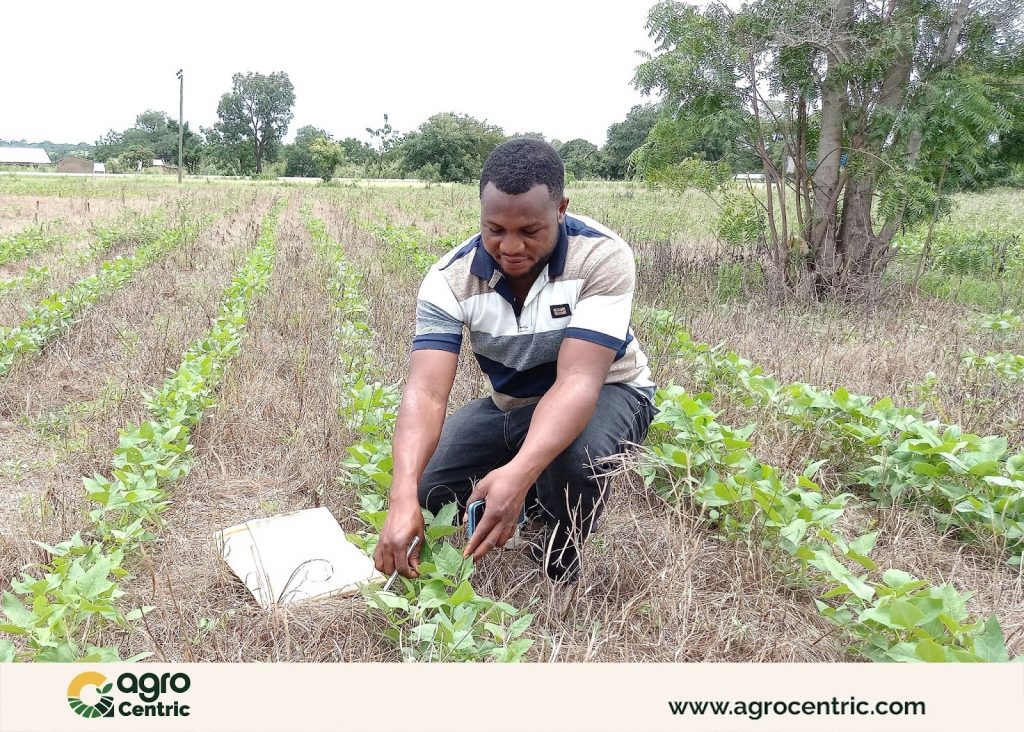
That same approach guided my work with GIZ. We set up demonstration plots with farmers and learned alongside them. Instead of imposing ideas, we worked together to test conservation agriculture practices. This made the process interactive, practical and easy for farmers to adopt. Research becomes meaningful when it returns to the people who need it most.
Why is community-led natural resource management so crucial for sustainable agriculture?
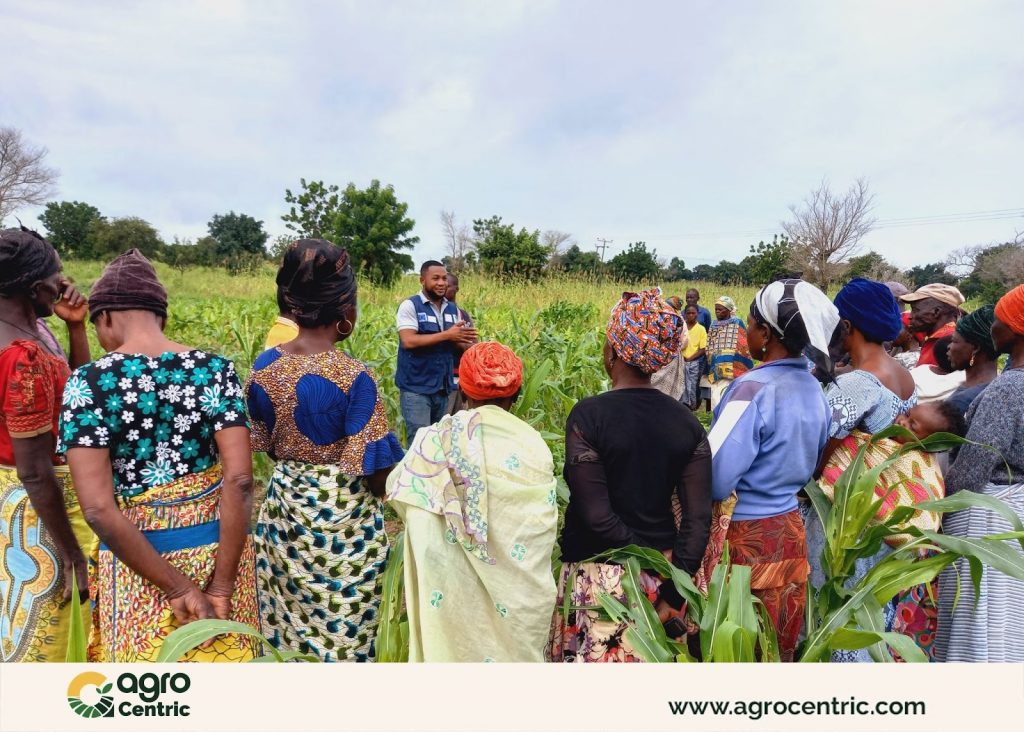
I believe strongly in collective action. Individual efforts matter, but collective action makes a bigger difference, especially when addressing climate change. When communities come together, they learn from one another, share experiences and make decisions that benefit everyone.
If each person acts alone, cutting trees, using chemicals or exploiting shared land without coordination, the environment suffers. But when communities co-design, co-develop and co-implement solutions, they become responsible stewards of their own landscape. They decide together how to protect land, what to prioritise and how to restore degraded areas. This approach works across different settings. In many communities, I helped promote Village Savings and Loans Associations (VSLAs). These are groups, often led by women, that save money together and support one another financially. Beyond savings, VSLAs become powerful platforms for sharing agricultural information and introducing new practices. Their collective structure makes it easier to scale knowledge and strengthen resilience.
You mentioned your work on food security. How have farmer field schools and government demonstration activities shaped household nutrition and food security? Are there examples from your fieldwork that stand out?
Most of my work is rooted in rural communities, so much of what I write comes from my own lived experience. Farmer field schools were one of the main approaches we used to improve food security, water security and overall resilience for smallholder farmers.
We had two main types of learning spaces. Green field days focused on land preparation, planting, weeding, pest and disease control and managing crops until maturity. We brought large farmer groups together to learn in the field, creating a unique learning experience that was almost like a classroom without walls. Brown field days focused on post-harvest practices, including crop residue management, storage, market information, and strategies for maintaining healthy soil for the next season. Instead of burning residues, for example, we encouraged farmers to incorporate them into the soil.
Farmers already know many of these practices, but these sessions help remind them, add new strategies and build consistency. The goal is simple: better yields, healthier soils and long-term access to quality food. Whatever we taught was intended to be sustainable, not just a temporary solution.
You’ve also researched household water insecurity. What does this reveal about the link between water access, agriculture and livelihood resilience?
Water insecurity is one of the most visible climate impacts in our context. Although Africa contributes less than 4 per cent of global emissions, we face the harshest effects. In my village, ponds and wetlands that once supported the community are drying up. Northern Ghana experiences a six-month dry season, followed by heavy downpours that trigger floods. Both extremes worsen water problems.
Without water, crops fail. Animals struggle. Households can’t cook safely if their water is contaminated. In many places, women and girls spend long hours searching for water, exposing them to risks and pulling girls out of school. Sometimes water is available, but its quality is poor, containing contaminants such as fluoride. These conditions affect health, food production and daily life. If someone has secure access to clean water, they can grow vegetables in a small backyard garden, thereby improving household nutrition. But without water, even basic survival becomes difficult. This is why we need a holistic approach to water availability and quality, especially as climate extremes intensify.
Still on climate change, how do smallholder farmers perceive and respond to climate risks?
Smallholder farmers are under enormous pressure. Many are pushed beyond their carrying capacity. Through my recent research on their mental and physical health, it has become clear that climate shocks take a significant toll. Imagine losing your entire maize field to drought or fire after borrowing money for inputs. With no insurance or reliable safety nets, the farmer is left with debt and no harvest. Farmers possess traditional ecological knowledge and coping strategies, such as harvesting rainwater during the rainy season. However, they lack the storage systems and stable support necessary to sustain these practices over the long term.
But what kinds of support systems or policies actually help them adapt?
Policies matter, but implementation is the biggest challenge. Governments introduce innovative ideas, such as Ghana’s Planting for Food and Jobs initiative and the accompanying extension services. However, corruption, the smuggling of subsidised inputs, and weak follow-through make it difficult for smallholders to benefit. When policies change with every new administration, it is farmers who suffer the most.
The NGO landscape has its own problems. Many projects are too short. A three-year project barely gets off the ground before it comes to a close, especially when the first year is spent on setup. Conservation agriculture, for instance, takes nearly a decade to show full results, yet most funding cycles are much shorter. When projects end quickly, farmers often jump from one intervention to another without realising long-term benefits.
Water infrastructure is another example. The“One Village, One Dam” policy had good intentions, but many dams weren’t built with proper engineering and collapsed. In my village, a functioning dam would transform food access and livestock production, but the structures didn’t last. Smallholders are always willing to adopt new practices because they are already struggling. But real support needs to be accessible, reliable and long-term. Without that, farmers are left to cope alone while climate pressures intensify.
Thank you for the insightful conversation, Cornelius. If you’d like to follow his journey and explore more of the ideas shaping his work, connect with Cornelius K.A. Pienaah on LinkedIn for updates on his research and collaborations.