In 2023, a mysterious ginger blight devastated farms across Kaduna and Nasarawa States, turning one of Nigeria’s most lucrative cash crops into dust. While scientists and extension agents scrambled for chemical remedies, one farmer found an unlikely solution, not in a laboratory, but beneath the protective shade of the indigenous Locust Bean Tree.
Meet Bala Musa Sadan, Chairman of the National Ginger Association of Nigeria (Nasarawa State Chapter). For over four decades, Bala has cultivated ginger, building his livelihood on the spice that fuels both local markets and Nigeria’s export ambitions. When the blight struck, he watched as fields worth millions per hectare withered in weeks. Yet, against all odds, the ginger he planted beneath the Locust Bean Tree survived.
In this AgroCentric interview, Bala shares how indigenous knowledge may hold the key to Nigeria’s agricultural resilience, the urgent need for market access and clean seed systems, and why he believes the government must take ginger as seriously as oil.
Please introduce yourself and briefly describe your journey in ginger farming.
My name is Bala Musa Sadan, from Chori, Jaba LGA in Kaduna state, and I currently serve as the Chairman of the National Ginger Association of Nigeria (Nasarawa State Chapter). Growing up, I watched my father cultivating ginger. Even after completing my education and starting my career, I continued to have a strong interest in ginger farming. In 2009, I moved to Nasarawa and resumed ginger farming. At that time, there were not many ginger farmers in the area, but the yield I achieved motivated me to persist in this venture. I have been involved in ginger farming since I was 15 years old, and now, after more than 40 years, I remain passionate about it. Additionally, I hold the position of State Postal Manager for NIPOST in Nasarawa State.
Can you describe the initial signs of the blight outbreak in 2023 and how quickly it devastated the season?
We experienced the outbreak in 2023. Normally, ginger stems stay green until maturity, with harvest expected around October or November when the stems naturally fall. But in 2023, the blight appeared unusually early, around June or July, just weeks after planting. The stems began turning pale as though the crop had reached maturity, then quickly shifted to a yellowish colour, causing the leaves to dry out and fall off prematurely. After harvest, the ginger rhizomes were riddled with holes, resembling beans eaten by weevils.
That sounds incredibly fast. Why was it so destructive?
The ginger maturity period takes an average of eight months. The outbreak started in June and July, just two or three months after planting in March/April. The blight affects the entire growing season. Farmers who were affected in June, July, and August were unable to harvest anything. Only those affected late, around September, saw a minimal effect because the ginger rhizome had matured a little by then.
How much did this loss cost you personally, and how do you quantify the financial impact on other farmers?
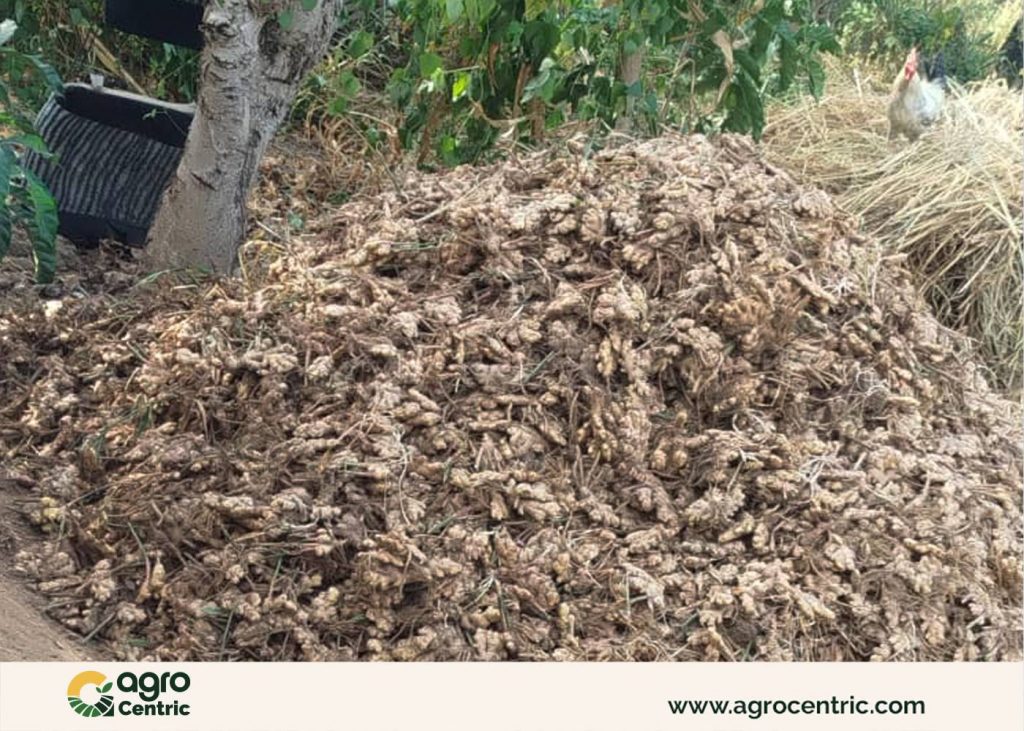
My farm is a hectare. If properly cared for, a hectare can yield about 100 tonnes, with a return of about N15 million after a good harvest. Before the outbreak, I harvested between 300 and 350 bags yearly. But in 2023 and 2024, my harvest drastically reduced to 70 or 80 bags.
The cost is huge. A hectare requires approximately 40 bags of seedlings, which cost N120,000 per bag at the time, along with the costs of labour, mulching, and fertiliser. This easily costs over five million Naira to invest.
You mentioned that many farmers were discouraged or even went bankrupt.
Many farmers were unable to harvest anything at all. Many people took out loans, going to banks and other places, knowing ginger is a reliable cash crop. They invested all the borrowed money only to discover they couldn’t even bring anything out. It was so disappointing. Some farmers only started because I inspired them, but after that loss, they became discouraged and dropped ginger completely, reverting to rice, maize, or cassava as their main crops.
When the blight first appeared, what steps did farmers take to prevent its spread? Why was it so difficult to contain?
The issue of this disease is new, so when it came, there was no prevention. There was no known chemical to use. From that period until today, we still don’t have a single chemical that can contain its spread. That’s why when it comes, you are only at the mercy of God. It was like a fire burning your house, and there is no fire service.
Did you try local methods such as uprooting and burning the affected areas?
I tried that when I first noticed a small portion of my farm was affected, hoping to prevent it from spreading. However, when I returned later, a different portion of the farmland had been affected.
Have you tested any potential chemical remedies since then?
We asked people from Kaduna for preventatives. They sent me a chemical to apply, requiring application every two days. I followed the instructions, but it was all in vain. It couldn’t stop it. I first heard about the chemical around September, and by then, I had found a local remedy.
Did you discover anything through your own farming observations that helped?
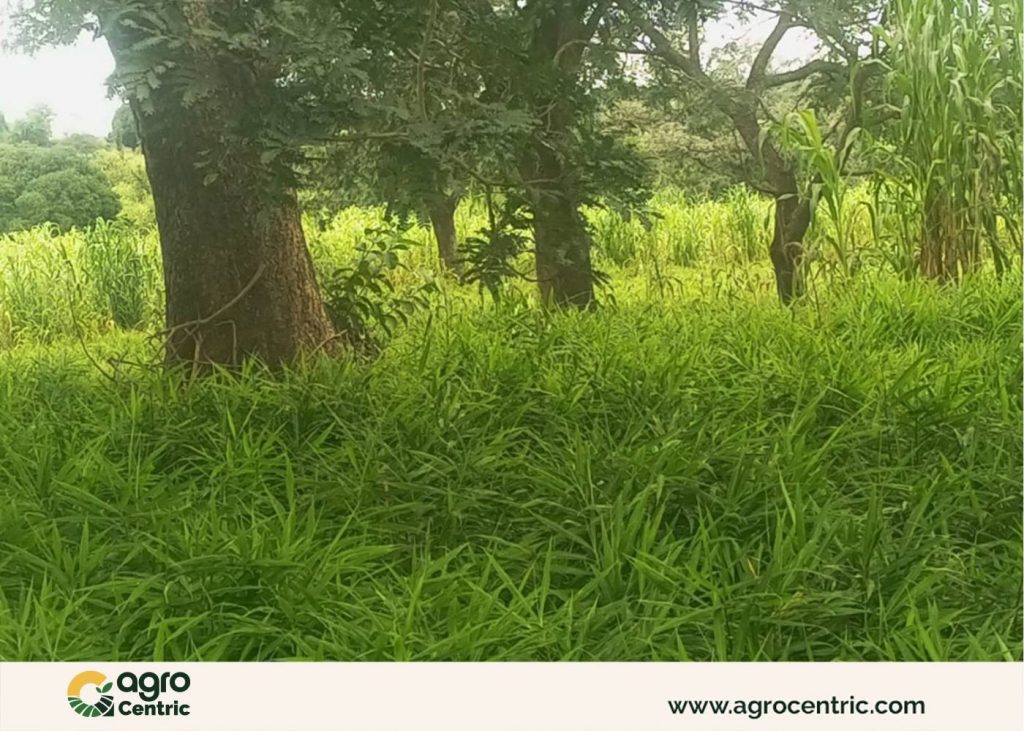
Yes. I did my own local research. I observed that the ginger planted under a Locust Bean Tree, called Dawadawa in Hausa, was different. Before the disease, ginger planted under the shade of the Locust Bean Tree already had a different, better yield.
When the disease appeared, I discovered that the ginger planted under the Locust Bean Tree was hardly affected, unlike the one in the open field. All the ginger I planted under the Locust Bean Tree survived the disease.
That’s an incredible, cost-effective solution. Did you share this with the community?
Absolutely. Like those I’m training to go into ginger, I advise them: if you have a Locust Bean Tree on your farm, plant under it. Others have taken note of it, especially here in Nasarawa State, where we have more of those trees on the farms.
Beyond the blight, what is the biggest challenge facing ginger farmers in Nasarawa today?
The biggest challenge is the market. Kaduna is well-known for its ginger, and many companies and buyers source it from there. But in Nasarawa State, we don’t have a designated ginger market. We have to take our ginger out of the state to Kaduna, incurring extra expenses.
When you take your ginger to a market like Kachia and the market price has dropped, you have no choice but to sell it at a lower price because you cannot bring it back. This problem of selling is why many get discouraged. We are pleading with the government here to establish a processing centre so that off-takers and marketers will realise that ginger is produced in Nasarawa.
Where do you source your rhizomes, and how has the blight affected that?
We rely on Kaduna State, but they were severely affected. Now, the clean seed rhizomes are extremely scarce. Farmers who were affected late would not want to sell what they have; they want to reserve it for the next season. We are handicapped. If my harvest is reduced from 100 bags to 50, I will not sell to anybody.
What message would you like to convey to policymakers and the broader public?
They say farmers build great nations. If the nation wants to survive and have fewer problems, it should see how to encourage farmers with loans and pay more attention. This ginger issue will only worsen if the government doesn’t intervene to help with seeds.
I attended a workshop in Kano in 2014, where they extracted oil from ginger in a laboratory, which is both costly and medicinal. There is more revenue to be derived from ginger than is currently derived from oil. The issue of crude oil is centralised, but ginger is not. Everyone can farm it. If the government decentralises its attention to oil and focuses on cash crops like ginger, many people will be involved, and our nation will not have to import sufficient goods from abroad.
The journey of Bala Musa Sadan offers two powerful lessons for Nigeria: first, that local, indigenous knowledge can provide resilient solutions and second, that structural weaknesses continue to plague the nation’s most profitable cash crops.
*************************************************************************************
Bonus: Technical Content Review
In this interview, Farmer Bala Musa Sadan shared a critical insight into how he has addressed the issue of ginger blight on his farm. Our in-house agronomist, Titilayo Oderemi, sheds more light on the scientific facts:
There is research that supports Farmer Bala’s observation, and here are key insights