Across Nigeria, vegetable farmers face a familiar dilemma long before planting begins: whether to prioritise affordability or performance, promises or proof. In a sector where margins are tight and risk is high, the choice of seed often determines the success or failure of an entire season.
Dr Hadiza Yaro has spent more than two decades working inside this reality. From development projects to senior roles in global seed companies, she has operated at the intersection of genetics, farmer behaviour, market access, and trust. Her career has taken her from field demonstrations in rural communities to leadership roles shaping how vegetable seeds are introduced, evaluated, and adopted across Nigeria.
In this AgroCentric interview, Dr Yaro draws on her experience at organisations such as East-West Seed and Sakata to explain how Nigeria’s vegetable seed industry actually works in practice. She discusses why demonstrations matter more than advertising, how farmer feedback shapes breeding decisions, why genetics sets the ceiling for productivity, and what it takes to build a sustainable seed ecosystem where farmers, dealers, and consumers all win.
Please tell me about yourself and how your journey in agriculture began?
I’m Dr. Hadiza Yaro. I hold first, second, and third degrees from Ahmadu Bello University. I’m also currently pursuing another master’s degree in Food Security at the Business School of the Netherlands. Interestingly, I never planned to work in agronomy. I wanted to be a pilot as a child and then a medical doctor in secondary school, but life took a different path, and I found myself in agriculture.
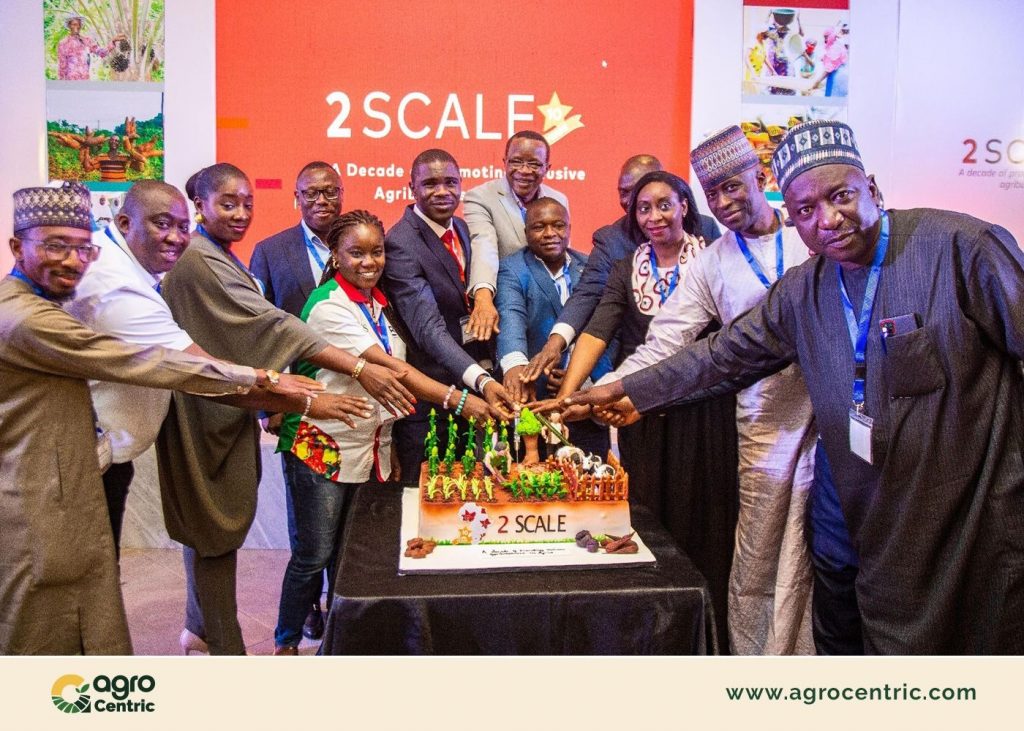
After school, I worked with an International NGO, the Centre for Soil Fertility and Agricultural Development, for over 6 years. I worked across several projects, starting with From Thousands to Millions, then the Accelerated Agribusiness for Africa Bridge (AAA Bridge), which later transitioned into the 2SCALE project under IFDC.
During my time on 2SCALE, we partnered with East-West Seed on vegetable demonstration plots. At one point, the expatriate trainer couldn’t get a visa, so I took on the responsibility of training farmers myself and submitting the reports. The outcome was impressive, and that experience opened the door for me into the seed sector.
I fully joined East-West Seed with no structure, no staff, and the task of building operations from scratch. I worked there for over 10 years before moving on to Sakata. Over time, my role expanded from agronomy into marketing, training, administration, and people management. That’s how my journey evolved.
How relevant is academic training for success in today’s agricultural sector?
Academic training serves as more than just a credential; it is a valuable toolkit. Without this training, there can be a disconnect between new research and practical farming practices. By integrating academic training with hands-on fieldwork, we can effectively bridge the gap between research and real-world agriculture. Without academic exposure, you lose access to new innovations and emerging research. Agriculture is evolving rapidly, and academics help translate research into practical solutions farmers can apply.
Academic training also builds technical competence, innovation skills, and problem-solving capacity. It shapes farmers’ mindsets and helps them respond better to challenges. Finally, it provides the credibility needed for networks linking farmers and researchers, as well as for high-level networking with governments and global partners. This collaboration is essential for long-term growth and innovation into practical skills that help farmers solve their own problems.
You mentioned that you spent a decade at East-West Seed. What did that experience teach you about the realities of the Nigerian vegetable sector?
Working in Nigeria’s vegetable sector puts you in the front row of a very complex system. Three lessons stand out for me.
First, it taught me that building a market is about trust, not just sales. Farmers rely on what they can see; hence, demonstration plots are essential for them to ask questions and see results. Even the best seed won’t sell unless farmers can see the results.
Second, local partnerships matter. Agro-dealers and extension agents are the bridge between companies and farmers. You cannot penetrate a market without local partners. If you don’t earn their trust, market penetration becomes nearly impossible.
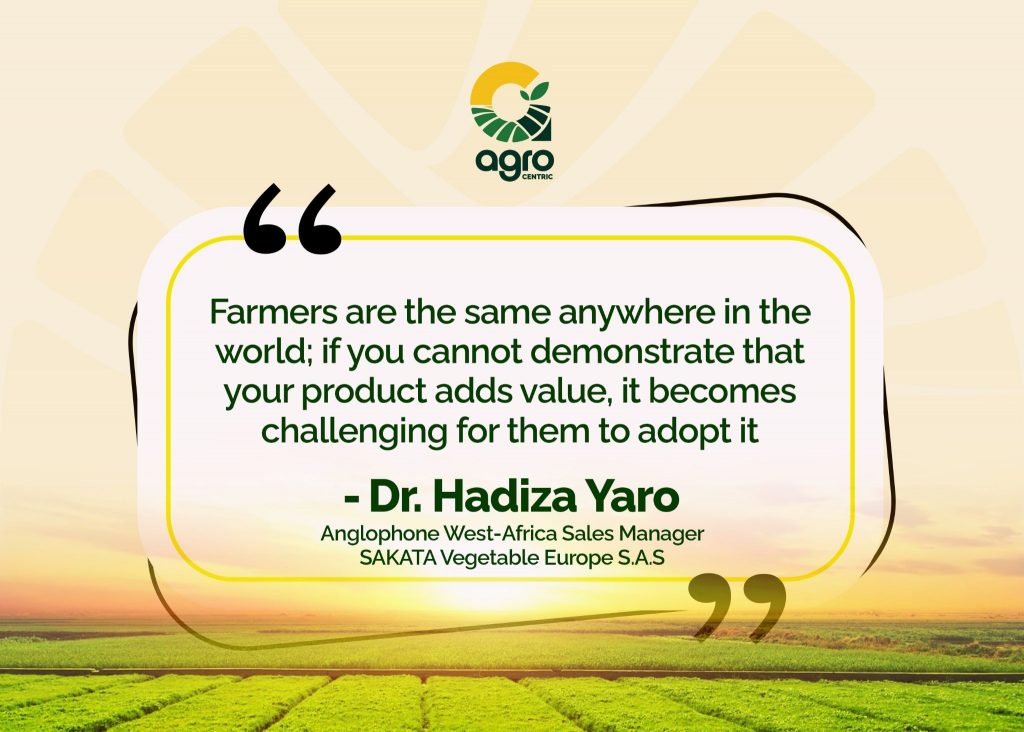
Third, farmer behaviour is universal, and they adopt products only when they clearly add value. But adoption doesn’t stop at production; farmers must also be able to sell. That means seeds must meet consumer preferences, not just agronomic performance. Crucially, you must understand consumer preferences. If a farmer grows a variety that consumers don’t want, they can’t sell it.
Timing also matters. Farmers buy when they have cash, which is usually at the end of the field crop season. If you miss that window, adoption drops because if you arrive a month late, they’ve already spent that money on school fees or other needs.
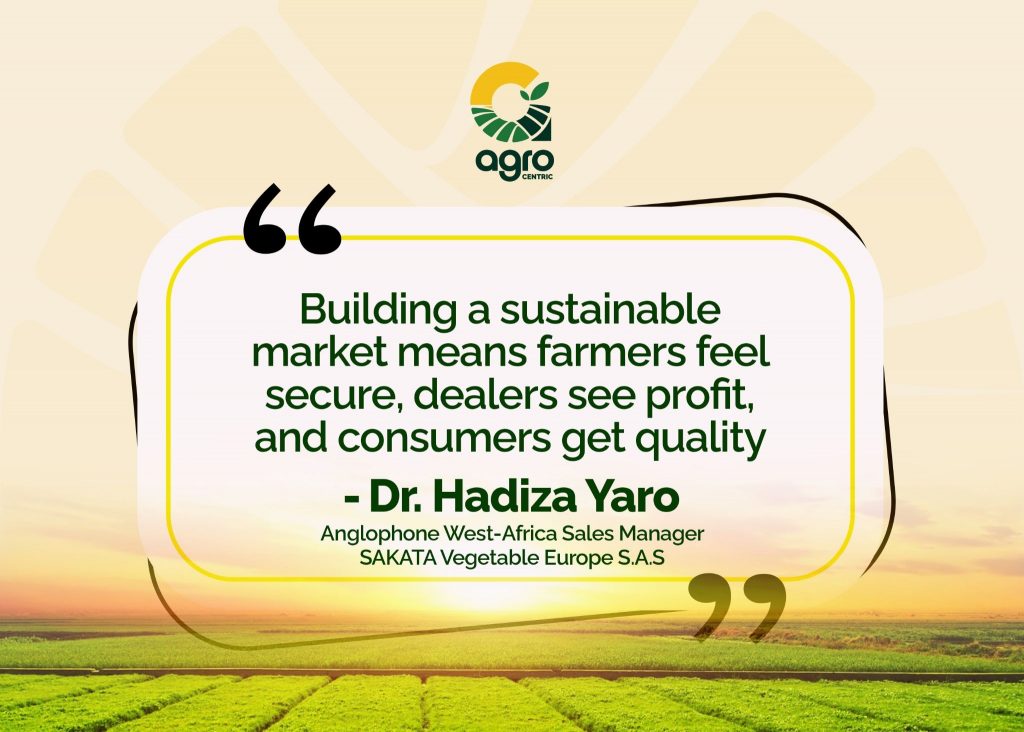
Ultimately, sustainable market building means creating an ecosystem where farmers feel secure, dealers are profitable, and consumers get quality produce.
What marketing strategies work best for smallholder farmers?
The marketing strategies that work best with smallholder farmers always start with problem-solving, not selling. Farmers engage when they feel you genuinely understand their challenges and are there to help, not just to push a product.
That means aligning marketing with local realities. Things like offering packaging sizes that fit small landholdings, or investing in extension services – even though they’re expensive – make a big difference. Farmers value practical support far more than flashy promotions.
Branding also plays an important role, especially when it’s visual. Many farmers relate better to pictures than long texts, particularly where language barriers exist, so clear visual materials really help communicate value.
Partnerships matter too. Working with government agencies, NGOs, and private-sector players helps extend reach and credibility. And finally, after-sales service is critical. If a farmer’s crop fails and you’re not there to support them, you don’t just lose one customer – you lose trust in that entire community.
What role do branding and demonstrations play for Sakata?
Sakata has been around for over 112 years, operating in more than 130 countries, so there’s already a strong level of trust associated with the Sakata brand. That trust comes from years of consistent quality and continuous investment in research and development to ensure our varieties meet farmers’ needs.
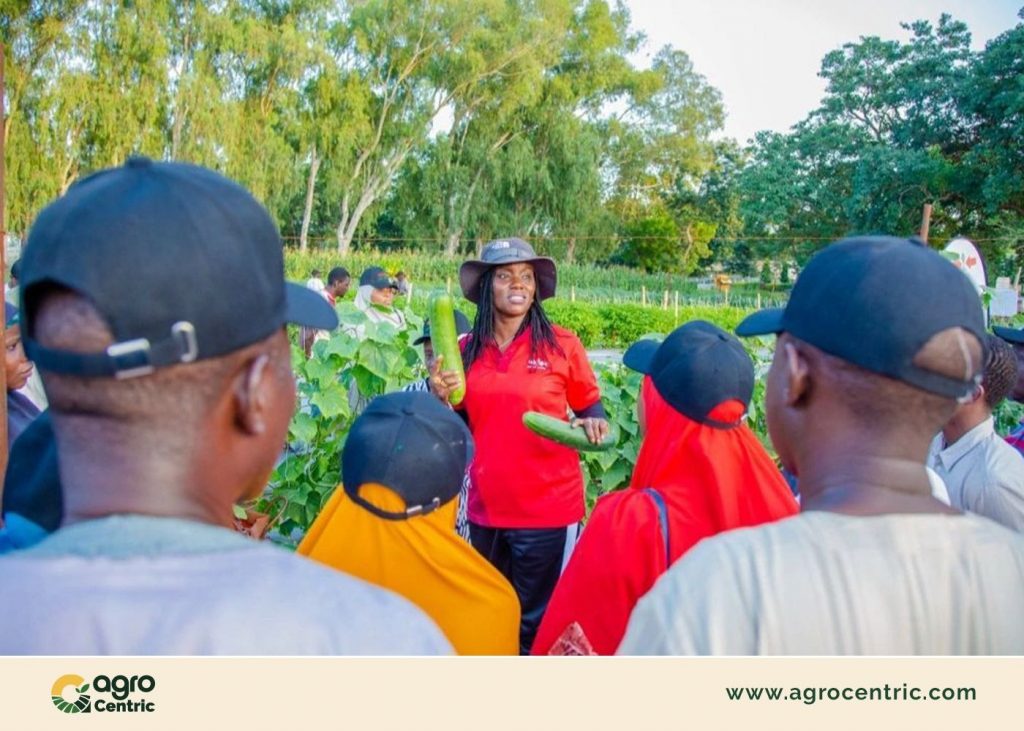
But we also know that farmers want to see results for themselves. That’s where demonstrations come in. We establish field demo plots that focus on real challenges farmers are dealing with: nematodes, bacterial diseases, leaf curl virus, and yield constraints. When farmers can see how a variety performs under those conditions, it speaks louder than any branding message.
How do you incorporate farmer feedback into product development?
SAKATA Vegetable Europe SAS is a customer-centric company. Farmers’ feedback, alongside input from consumers and marketers, directly informs our research and breeding decisions.
In practice, much of this happens through our demonstration plots. At the vegetative stage, we organise farmer meetings to review plant structure, strength, and growth patterns. Later, during field days, farmers assess more market-preferred traits, such as yield, fruit shape, taste, and overall performance.
All of that feedback is carefully documented and shared with our breeders. If a variety aligns with farmer and market expectations, it moves forward to commercialisation. If it doesn’t, we go back, make breeding adjustments, and refine it further. So it’s really a continuous feedback loop that helps us develop varieties that work in the real world, not just on paper.
How do you balance high-quality seeds with farmers’ price sensitivity?
It really comes down to helping farmers see seeds as an investment, not just another input. Many farmers naturally focus on fertilisers and agro-chemicals, but the reality is that genetics sets the ceiling. No matter how much fertiliser you apply, you can’t push a crop beyond its genetic potential.
So we address price sensitivity by breaking it down with simple return-on-investment calculations. For example, a farmer might buy a cheaper seed for ₦20,000 with a potential yield of 20t/ha, while our seed might cost ₦40,000 but has a potential yield of 100t/ha. On the surface, it looks like they’ve saved ₦20,000, but when you run the numbers, they’ve actually lost the opportunity for a much higher return.
When farmers see that difference clearly, the conversation changes. They understand that higher-quality seeds deliver far better value over time. In that sense, quality seeds aren’t a cost – they’re the foundation of profitability.
Beyond field visits, how do you communicate with farmers? What communication channels work best?
We rely on a mix of traditional and digital communication channels. Community engagement is still very important, especially in more remote areas, so we continue to use local meetings and farmer gatherings.
At the same time, digital platforms have become incredibly effective. We actively use Facebook, WhatsApp, SMS, and hotlines. Even in rural communities, many farmers are very active on Facebook, often posting photos of their crop challenges and asking questions in local languages like Hausa, Yoruba, or Igbo. WhatsApp allows for more direct, ongoing conversations, while SMS works well in areas with limited or no internet access.
We also work closely with government agencies, NGOs, and other institutions to extend our reach and ensure farmers get timely, reliable information. Using this combination helps us stay connected to farmers wherever they are and respond quickly when they need support.
In your years of working in the seed sector, what partnerships stand out for you?
Several partnerships really stand out over the years, mainly because of the lasting impact they created. One was our collaboration with GAIN and CARE International on a project called CASCADE, in which we supported women-led home gardens across four states. That work went beyond seeds; it improved household nutrition and also helped women generate income.
Another meaningful partnership was with Ahmadu Bello University. Together, we established learning sites and organised field days that brought farmers, researchers, and other stakeholders into the same space. Those interactions helped bridge the gap between research and practice.
What made these partnerships special was that they weren’t one-off projects. They created knowledge, skills, and systems that continued to benefit communities long after the initial activities ended.
What innovations could transform seed access in West Africa?
A lot of the innovations that could transform seed access in West Africa already exist; the real challenge is scale and adoption. For example, digital verification tools like the Seed Codex are powerful, but awareness among farmers is still quite low. Upscaling and mainstreaming these tools would go a long way in tackling fake and substandard seeds.
Beyond that, the sector really needs deeper digitalisation. Fully digitised seed platforms would improve traceability across the value chain and build more trust for farmers. Integrating fintech solutions for seed financing would also make quality seeds more affordable, especially at the start of the season.
E-commerce and community-based digital extension models are another big opportunity. They can simplify access, improve information flow, and reduce the distance between seed companies and farmers. At this point, going digital isn’t optional anymore; it’s what will define the future of seed access in the region.
What advice do you have for young people entering the sector?
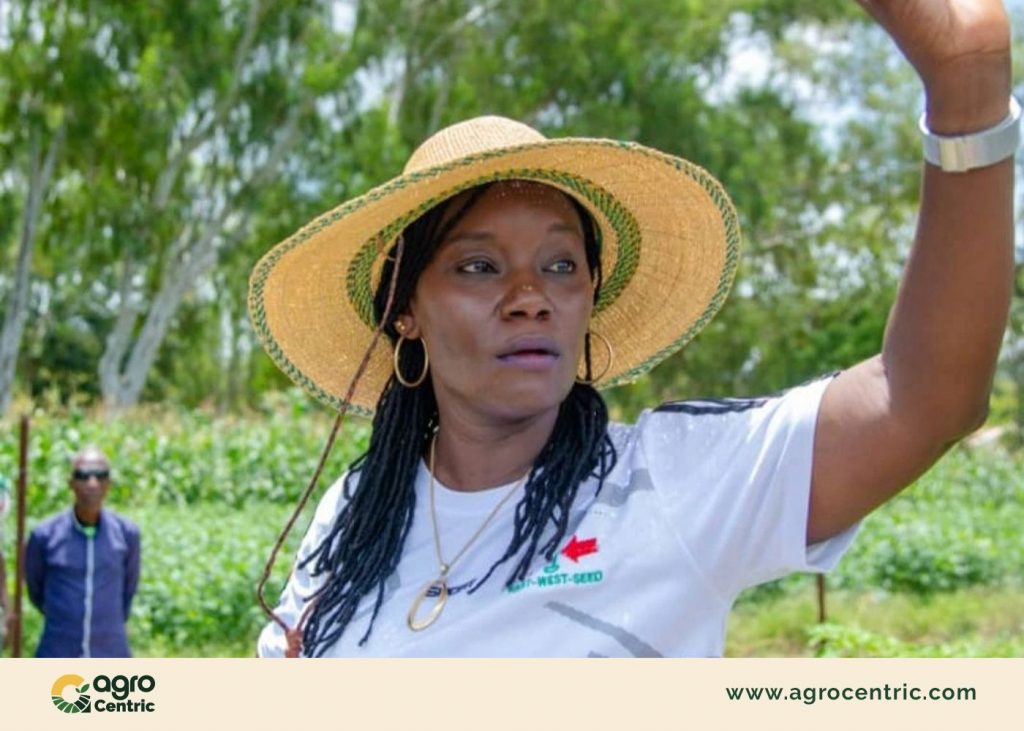
My biggest advice is to be patient. Many young people enter the sector expecting quick wins, but agriculture doesn’t work that way. It takes time, resilience, and a real willingness to learn, especially in the field.
Hands-on experience is significant. Don’t rush to climb the ladder; sometimes the way up is actually down. Be willing to get your hands dirty, step out of your comfort zone, and learn from people who have both failed and succeeded. That kind of learning shortens your curve more than any shortcut ever will.
What is the most rewarding part of your work?
The most rewarding part is seeing real transformation in farmers’ lives. Ten years ago, many people didn’t think you could grow onions or high-quality tomatoes in Southern Nigeria. Now, farmers are thriving with varieties that resist viruses and bacterial diseases.
Even small changes make a big difference, like switching tomatoes from raffia baskets to plastic crates to prevent them from “melting” on the way to Lagos. These kinds of improvements have a direct impact on farmers’ incomes, and seeing that makes all the hard work worth it.
What legacy would you like to leave?
I hope my legacy shows that women can lead and excel in agriculture, which is a male-dominated sector. When I started, I was often the only woman in a room of 100 people, yet I was leading the team. I want young people, especially women, to see that with passion, knowledge, and commitment, you can build something meaningful here.
Beyond representation, I hope my work demonstrates that improving access to better seeds, clear information, and supportive ecosystems doesn’t just increase productivity – it strengthens confidence across the entire value chain. Ultimately, it’s about creating lasting impact for farmers and inspiring the next generation to follow.
As farmers gain access to better genetics, clearer information, and supportive ecosystems, productivity and income follow. The result is not just better yields, but stronger confidence across the value chain. Connect with Dr Hadiza Yaro on LinkedIn to learn more about her career, leadership journey, and contributions to the agricultural seed industry.