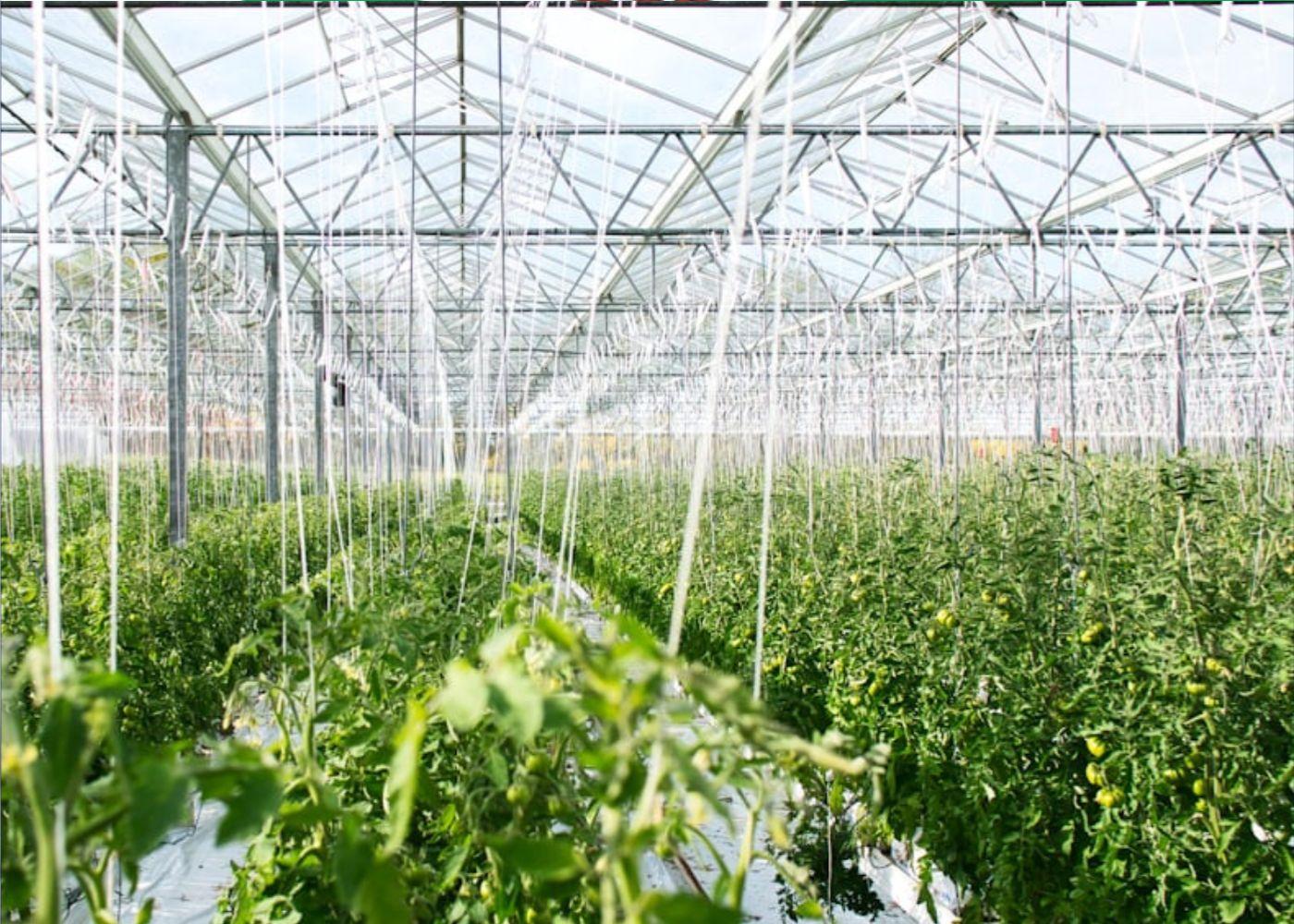
As insecurity continues to limit the amount of land available for agricultural use in Nigeria, effective land management has become essential for farmers in the fight against food scarcity. It is crucial for Nigerian farmers to utilise land efficiently and implement sustainable farming practices. Adopting innovative and modern techniques can maximise food production in limited spaces while safeguarding the environment.
This article explores the various methods that enhance productivity and contribute to a more sustainable approach to agriculture in Nigeria.
Understanding the current landscape
Nigeria possesses approximately 70.8 million hectares of agricultural land, with major crops including maize, cassava, guinea corn, yam, beans, millet, and rice. Despite this vast land area, only a fraction is optimally utilised, leading to a reliance on food imports.
Challenges to effective land use
Land tenure issues: Unclear land ownership and tenure rights discourage investment in land improvement and long-term agricultural planning.
Climate change: Erratic weather patterns, desertification, and flooding affect crop yields and reduce arable land.
Limited access to technology: Many farmers lack access to modern farming equipment, quality seeds, and efficient irrigation systems.
Inadequate infrastructure: Poor transportation and storage facilities lead to significant post-harvest losses.
Strategies to maximise land use for food security
Vertical farming
Vertical farming is an innovative agricultural method that involves growing crops in stacked layers rather than spreading them out over large areas of land. Just as a storey building saves land space by stacking floors, vertical farming helps to save land by planting against vertical structures. No large expanse or elaborate land-clearing is needed. It works well in cities where land is scarce. Nigerian farmers already use this method to grow food in urban areas, making the most of small spaces.
Aquaponics and hydroponics
Aquaponics combines fish farming and plant growing in a mutually beneficial manner. Fish waste feeds the plants, and the plants clean the water. Hydroponics grows plants without soil, using water and nutrients instead. Both methods work in small spaces and allow year-round farming.
Sack farming
Sack farming is a simple way to grow food in cities. Farmers plant crops in large sacks filled with soil, which could be anything from polythene bags to beverage containers. This method requires little space and helps people grow their food, improving food security. The ease also makes farming a hobbyist activity that anyone can practice. This allows consumers to take responsibility by getting involved and producing their food with spare resources. Strong control over soil and water helps to reduce pests and diseases.
Crop rotation and intercropping
Crop rotation means changing the type of crops grown in a field each season to keep the soil healthy. Intercropping involves planting different crops together, which helps improve soil, control pests, and increase harvests. In addition to saving land, crop rotation also offers benefits like improving the yield of the following crop in sequence (groundnut enhances the yield of other grain crops), improved soil structure and organic content, and insulation against weeds and pests. This helps to make food production sustainable.
Efficient irrigation
Innovative irrigation methods save water and help crops grow better. Drip irrigation delivers water directly to plant roots, reducing waste. Rainwater harvesting collects and stores rainwater for use in dry seasons. With shrinking access to farmland, smart agriculture is the go-to option for Nigerians to grow more with less. These methods boost yields, save space, and protect the soil. By using land wisely and embracing innovation, farmers and citizens alike can strengthen food security and build a more resilient agricultural future.
Encourage the use of improved seeds and fertilisers
Providing farmers access to high-yielding, drought-resistant seed varieties and appropriate fertilisers can significantly boost crop production.
Invest in agricultural infrastructure
Developing rural infrastructure, such as roads, storage facilities, and processing units, can reduce post-harvest losses and improve farmers’ market access.
Support agricultural research and extension services
Strengthening research institutions and extension services can facilitate the dissemination of best practices and innovative technologies to farmers.
Role of Stakeholders
Government
Policy formulation: Develop and implement policies that support land reform, infrastructure development, and access to credit for farmers.
Investment in research: Fund agricultural research institutions to develop locally adapted farming technologies.
Private Sector
Public-Private Partnerships: Collaborate with the government to invest in agricultural value chains and infrastructure.
Technology provision: Supply affordable farming equipment and inputs to smallholder farmers.
Farmers and Cooperatives
Adoption of best practices: Implement sustainable farming techniques and participate in training programs.
Collective action: Form cooperatives to pool resources, access markets, and negotiate better prices.
Maximising land use is essential for achieving food security in Nigeria. Stakeholders can transform the agricultural sector by implementing sustainable practices, securing land tenure, investing in infrastructure, and supporting research and extension services.